
Date: October 21, 2025 | Time: 8:00am - 4:30pm - 4.5 AIA Health, Safety, Welfare (HSW) Credits
2025 BEC-GD Enclosure Consciousness Symposium
The Building Enclosure Council of Greater Detroit is proud to celebrate their Symposium with you again. For each Symposium, the BEC-GD symposium presents a distinguished panel of speakers to discuss the current and upcoming trends in building enclosure performance and evaluation.
The event includes a continental breakfast, lunch, and snacks. As in previous years, there will be Continuing Education Credits and a raffle for prizes for attendees who visit all of the vendors and obtain a signature from each.
AIA Detroit will provide up to 4.5 AIA Health, Safety, and Welfare (HSW) Learning Units.
AGENDA:
7:45am Check-in, American Breakfast, Sponsor Displays
8:45am Opening Comments
9:00am Presentation 1 – Fire Block for Ventilated Rainscreens (1hr)
10:10am Morning Break, Sponsor Displays & Announcements
10:40am Presentation 2: Prefabricated Exterior Wall Assemblies (1hr)
11:50am Lunch Break, Sponsor Displays & Announcements
1:20pm Presentation 3 – The Allen – Façade Design Study (1hr)
2:30pm Afternoon Break, Sponsor Displays & Announcements
3:00pm Presentation 4 – Whole Building Air Leakage Testing and Codes (1.5hr)
4:30pm Closing Remarks and Door Prizes
PRESENTATION & SPEAKER INFO
Presentation 1 | Intumescent Fire Block for Ventilated Rainscreen Systems
Charlie Alfieri | Sales Manager at Tenmat Inc.
Presentation Description:
This presentation contains a deep dive into the building code requirements for Fireblocking in Exterior Wall Coverings. Specifically, it reviews Section 718.2.6 of the IBC and related requirements. It provides attendees with knowledge on the code language, the challenges around design and specification, and ways to comply that maintain other performance requirements for the exterior wall, like water and air management.
Learning Objectives:
1. Develop an understanding of basic rainscreen design for proper water and air management
2. Learn about existing fireblocking requirements for the exterior wall covering in the IBC language
3. Compare and contrast the use of intumescent fire block materials vs. other materials listed in the IBC
4. Explore potential wall details for proper incorporation of intumescent fire block in rainscreen assemblies
 Charlie Alfieri is an experienced Sales Manager at Tenmat, where he specializes in passive fire protection solutions for the construction and industrial sectors. With a strong background in technical sales and a deep understanding of fire safety compliance, Charlie plays a key role in helping clients meet stringent building and safety regulations while protecting lives and assets.
Presentation 2 | Prefabricated Exterior Wall Assemblies: Herding Cats in Hard Hats
Kayla Maines, AIA, LEED AP, BECxP, CxA+BE | Senior Associate / Senior Architect at Terracon Consultants, Inc.
Colton Howard, CEI | Senior Facilities Professional at Terracon Consultants, Inc.
Presentation Description:
Prefabrication of exterior wall assemblies has been of their use is nothing new to the built environment. However, consideration of the effects on the air, water, and thermal boundaries of buildings are the concerns of the construction industry for the 21st century. No matter if the wall assembly is constructed in the field or in a shop, it must have continuity in their air, water, and thermal barriers. Prefabricated exterior wall assemblies are designed and constructed to meet these requirements. In this presentation, our goal will be to introduce two perspectives on the use of prefabricated exterior wall assemblies. One is the General Contractor’s experience with prefabricated exterior wall assemblies and the delegated design process. The other is the experience of the building enclosure consultant reviewing the design and observing the fabrication and erection of these wall systems. Case studies will be reviewed with respect to code and/or industry association inspection requirements, design and construction reviews, and lessons learned in the coordination of these assemblies with other trades.
Learning Objectives:
1. Describe the history and different types of prefabricated exterior wall panels
2. Contracting and coordinating the delegated design process with the applicable trade partners. Turn-Key, Means & Methods, and discuss who owns the details
3. Applicable codes and standards. Explore how to test and inspect these assemblies
4. Demonstrate the process of designing and constructing the prefabricated exterior wall assembly and how it incorporates
the air, thermal, and water barriers within it
 Kayla Mains is a Registered Architect in Texas and Oklahoma with 17 years of experience in the architectural industry, including seven years with Terracon. She is a Legacy LEED AP, Building Enclosure Commissioning Provider (BECxP), and Commissioning Authority + Building Enclosure (CxA+BE). Kayla has also served on the Austin AIA BEC, IIBEC, and CSI boards.
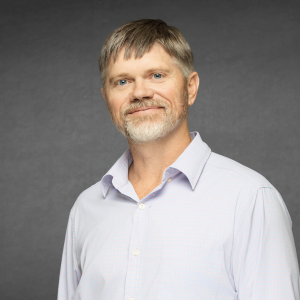 Colton Howard has 16 years of experience in the construction industry and has been with Terracon for three years. He performs investigative testing and surveys of roofing and waterproofing components to identify deterioration and sources of water infiltration. He prepares reports with observations, findings, recommendations, and cost estimates, and designs repairs and renovations for building envelopes. Colton also oversees ASTM and AAMA standard tests and other specialized testing.
Presentation 3 | The Allen Houston – Façade Design Approach
Bob Carnegie | Principal & Senior Project Manager at HOK
Presentation Description:
HOK will review the design and construction of its Allen Hotel and Condominium project in Houston, Texas, including design concepts, façade material selection, and design challenges. The presentation will include the story of the design, as well as how HOK successfully navigated the design and technical challenges for a project completed during the Pandemic.
Learning Objectives:
1. Understand the impact of design from the outside-in, and design from the inside-out
2. Gain an understanding of fiber-reinforced plastic panels as a rainscreen component
3. Understand the process for designing and detailing organic forms using FRP panels
4. Understand NFPA 285 compliance and approaches for compliance using FRP Panels
 Bob Carnegie is a Senior Project Manager at HOK, a global leader in design, architecture, engineering, and planning. He is based in Houston, Texas, and oversees the project management of architecture, interiors, engineering, and planning services for corporate, government, and commercial clients. With more than 40 years of experience in project management and a specialization in commercial office, mixed-use, and high-rise design and development, he has delivered successful projects across various sectors and markets.
As a Senior Design Professional, Ivan works closely with clients to develop successful solutions. His attention to detail provides him with the leverage to deliver projects that are on time and well-crafted. Ivan provides his team with strong confidence in his abilities, while remaining flexible to changing project circumstances.
Presentation 4 | Current and Future Energy Codes: Impacts on the Design, Construction, and Testing of Air Barriers
Lee Durston | Vice President, Senior Consultant at BPL Enclosure
Presentation Description:
This presentation provides a comprehensive exploration of air tightness by tracing its theoretical evolution and historical progression, examining the key metrics that define baseline performance levels. Attendees will gain insights into the holistic phases of enclosure consulting with a focus on air barrier strategies, while also critically evaluating the wide range of air-tightness codes and standards to understand their validity, impact, and relevance.
Learning Objectives:
1. Review the theory and historical progression of air-tightness requirements and understand the metrics that provide the baseline for levels of air-tightness
2. Understand what ASHRAE 90.1- 2019 and IECC 2021 Air Leakage requirements are
3. Understand the validity, impact, and relevance of the wide range of air-tightness codes and standards
4. Understand whole building air leakage testing (WBALT) as compared to holistic enclosure consulting
 Lee Durston has been in the building enclosure industry since 2001. During this time, he has overseen and completed hundreds of projects in forensic, design, construction administration, construction observation, and quality control for both new construction and existing building projects. One of the areas he has specialized in is air tightness of buildings and how to verify their performance. Lee is a contributing author for the USACE Air Leakage Tightness requirements and Testing Protocol, and contributed to the ABAA effort, which created ASTM E3158 Standard Test Method for Measuring the Air Leakage Rate of a Large or Multizone Building.